
University Aviation Association

UAA Strategic Realignment
-- Dr. Ryan Leick, UAA President
Over the past year, the UAA Board of Trustees has taken deliberate steps to ensure that our organization remains focused on delivering meaningful value to our members and strengthening alignment with industry partners. As collegiate aviation continues to evolve, so must UAA. Our institutions face increasing pressure to improve student throughput, manage costs, modernize curriculum, and respond to rapidly changing workforce needs across airlines, airports, general aviation, maintenance, air traffic control, and advanced air mobility sectors. To meet these challenges, the Board will be undertaking a strategic realignment of our internal resources and industry partnerships.
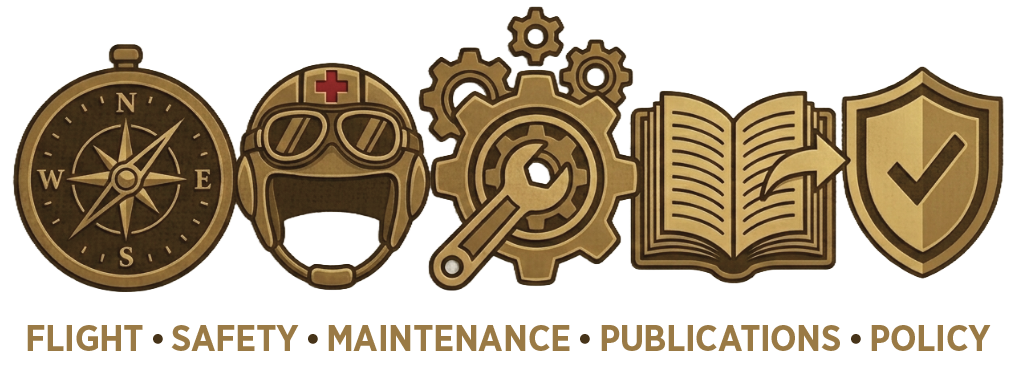
The most recent changes will be the consolidation of several committees under the Aviation Policy committee. UAA will now operate with five standing committees: flight, safety, maintenance, publications, and policy. This streamlined structure improves communication and accountability between the Board and our Committee Chairs. It allows the Board to more effectively receive input from the committees regarding the needs of our members, while also providing clearer direction on strategic priorities.
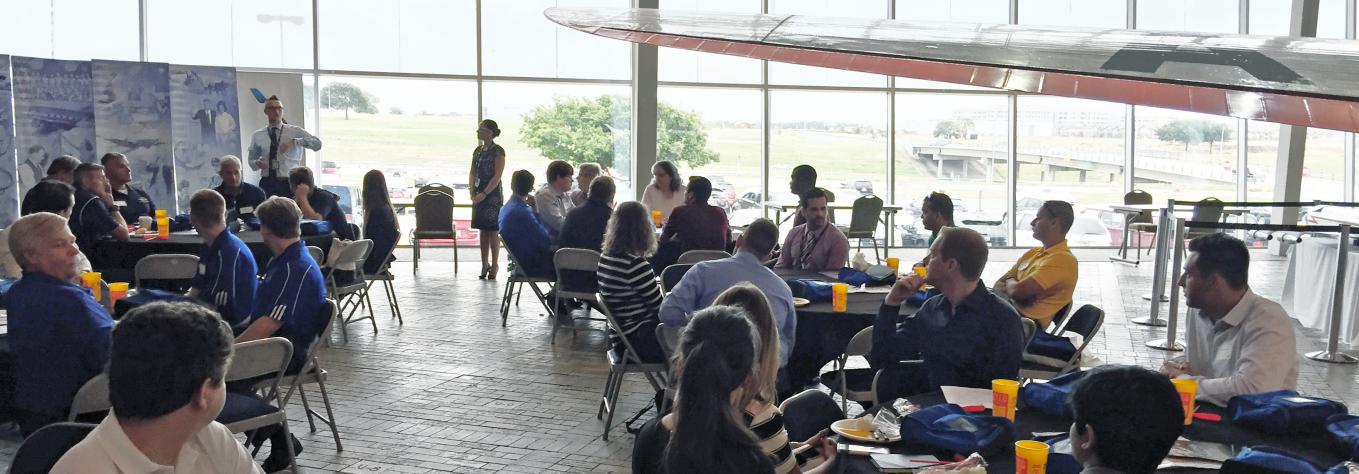
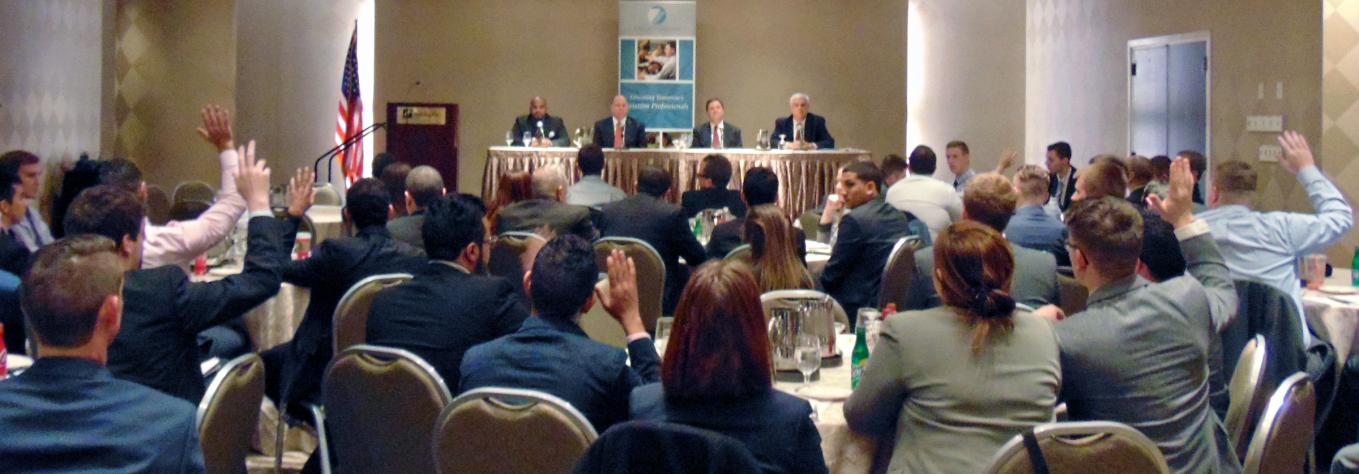
These committees will also play a central role in conference planning. Rather than program planning in isolation, we are creating topical tracks informed directly by committee input. This ensures that our annual conference reflects the most pressing issues facing our institutions and industry partners.
Beyond governance changes, UAA is actively pursuing partnerships that create tangible value for our members and strengthen workforce pipelines.
An example is our collaboration with Airports Council International – North America (ACI-NA) and Cirium in the development of a 15-week Air Service Development (ASD) course.
This initiative brings together academic institutions and industry professionals to prepare students and industry participants for specialized careers in airport planning and route development.
The ASD course will be available to all UAA member institutions. Universities may choose to deliver the course themselves or allow students to complete it directly through UAA. Instructional support will include industry professionals serving on ACI-NA’s ASD subcommittee, and students will gain hands-on experience using Cirium’s Diio analytics platform to analyze air travel forecasts, supply and demand trends, traffic flows, and fare data. This model represents the type of initiative the Board intends to prioritize that are scalable in cooperation with industry partners and directly connected to workforce needs.
The UAA Board of Trustees is committed to focusing our resources on initiatives that create measurable value for our membership base and strengthen the connection between higher education and industry. By refining our governance structure and expanding strategic partnerships, we are positioning UAA not simply as an annual gathering of industry and academia, but as an active contributor to the development of the next generation aviation workforce.
We look forward to continued collaboration with our member institutions and industry partners as we advance this mission together.